
Kids Art Classes Danville Parents Can Trust
- Prashanti Laxmi

- May 8
- 6 min read
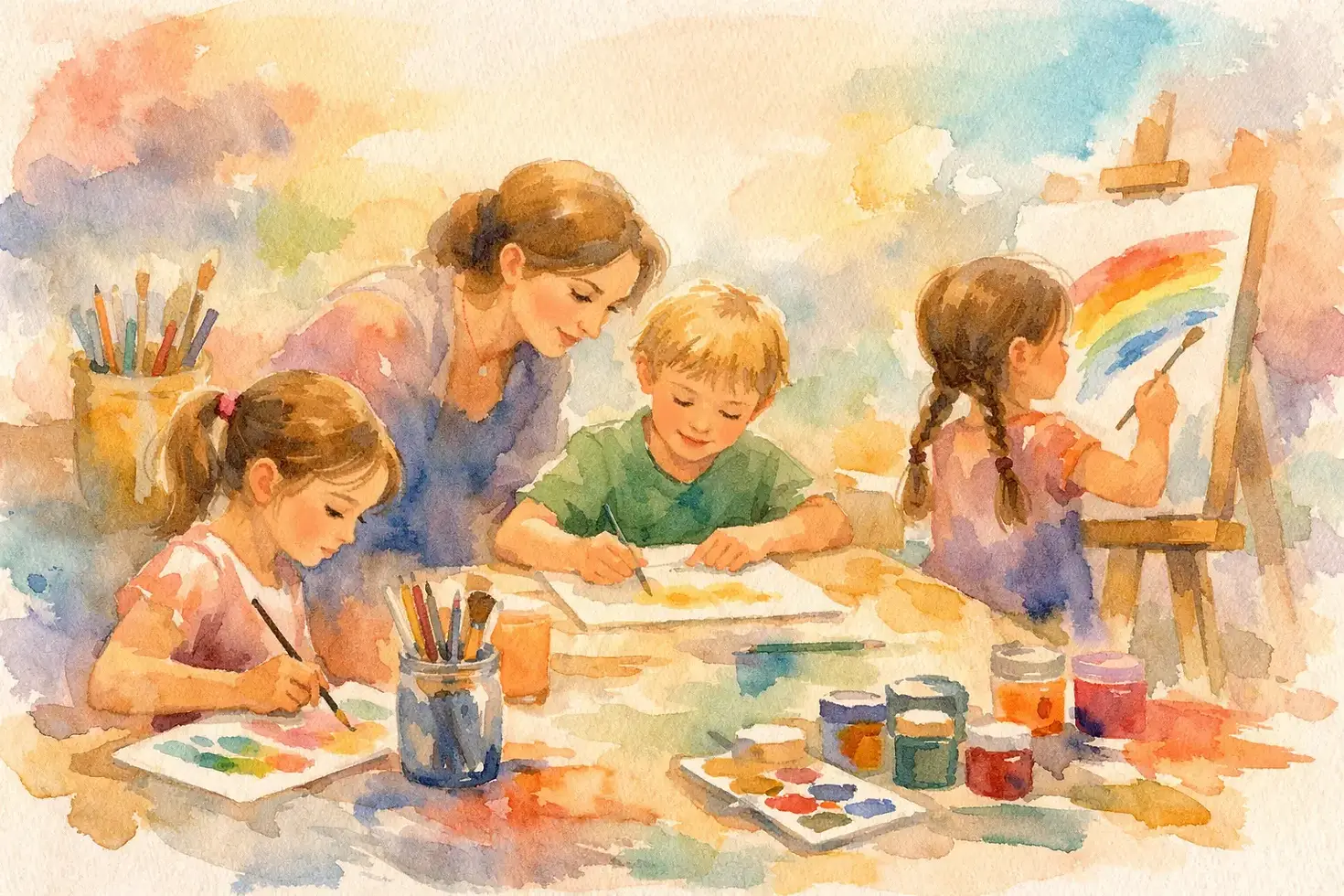
A child comes home with a painting they are proud of, and the first question many parents ask is simple - are they just having fun, or are they actually learning? When families look for kids art classes Danville offers, that question matters. A strong art program should do both: protect the joy of creating while giving students real instruction, steady progress, and a clear sense of growth.
In Danville, parents often want more than a casual drop-in activity. They want an environment where children can build focus, practice observation, strengthen technique, and grow confident enough to express original ideas. That is where the quality of an art class makes a real difference.
What sets great kids art classes in Danville apart
Not all kids art classes in Danville are built the same way. Some are centered mostly on entertainment, seasonal crafts, or one-time projects. Those can be enjoyable, especially for younger children who are still developing attention span and comfort with materials. But if a parent is looking for visible skill development over time, a more structured program usually delivers better results.
The strongest programs balance creativity with instruction. Children should learn how to use line, shape, value, composition, color relationships, and different mediums in age-appropriate ways. They also need room to make choices, explore themes, and develop their own artistic voice. If a class leans too far in one direction, the experience can fall short. A purely free-form class may feel fun but leave students without foundational skills. A class that is overly rigid may produce neat projects while reducing confidence and self-expression.
That balance matters even more as children grow. A six-year-old may need playful guidance and basic creative exploration. A middle school student often benefits from more discipline, stronger technique, and projects that build patience. A teen with long-term goals may need serious training, critique, and portfolio-level expectations.
Why structured learning matters for young artists
Parents sometimes worry that structure might limit creativity. In practice, the opposite is often true. When children know how to draw what they see, mix colors with intention, or build a composition that feels complete, they become more confident and more willing to take creative risks.
Structured learning gives students a path. Instead of repeating the same comfort-zone projects, they move forward step by step. They may begin with basic drawing control, then progress to shading, perspective, acrylic painting, mixed media, or more advanced studio work. This kind of sequence helps students see improvement, and visible progress is one of the biggest reasons children stay motivated.
It also teaches habits that carry beyond art class. Students learn patience, problem-solving, perseverance, and attention to detail. They learn that strong work rarely appears on the first try. For many families, that combination of creative confidence and disciplined growth is exactly what makes art education valuable.
Choosing kids art classes Danville families will value long term
A good fit depends on your child’s age, personality, and goals. For younger children, a nurturing setting with gentle structure is often the right starting point. They need engaging lessons, approachable materials, and teachers who can guide without overwhelming. At that stage, the goal is not perfection. It is building comfort, curiosity, and early visual understanding.
For elementary and middle school students, consistency becomes more important. This is often the stage when children either begin to build real skills or drift into repeated, low-challenge projects. Parents should look for classes that introduce new techniques in a thoughtful sequence and help students improve from one session to the next.
For teens, the standard rises again. Some students simply want to deepen their skills and enjoy serious studio instruction. Others may be preparing for advanced school art, AP Art, competitions, or future college portfolios. In those cases, instruction should be more than encouraging. It should be informed, rigorous, and personalized.
One useful question to ask is whether the program has a beginner-to-advanced curriculum. Another is whether students receive enough individual attention to correct mistakes, strengthen technique, and understand what to work on next. Small-group instruction often makes a noticeable difference because feedback is more specific and progress is easier to track.
What parents should look for in an art academy
The best art classes are not just about materials or a pretty studio. They are about teaching quality. A thoughtful academy usually shows several signs.
First, the curriculum should be intentional. Students should not be doing random projects each week with no connection between them. A strong program builds skills in sequence, even when projects feel creative and engaging.
Second, teachers should know how to work with different age groups. Young children need warmth, encouragement, and clear demonstrations. Older students need technical direction, stronger critique, and challenges that match their level.
Third, progress should be visible. Parents should be able to see growth in drawing control, composition, color use, and confidence over time. The artwork itself often tells the story.
Finally, the studio culture should support both standards and self-expression. Children do better when they feel safe to try, revise, and improve without fear of being shut down. At the same time, they benefit from teachers who expect effort and help them develop discipline.
This is why many families are drawn to academies with a long-standing teaching model rather than one-size-fits-all activity programs. A structured visual arts education can serve students who are just beginning, while also preparing older learners for more advanced goals.
The benefits go beyond the artwork
Parents often start by looking for a creative outlet, but strong art instruction tends to build much more. Children who stay with quality classes often become better observers, more patient learners, and more confident communicators. They gain comfort presenting ideas visually and talking about their own work.
There is also an emotional benefit. Art gives children a constructive way to process ideas, feelings, and personal interests. For some students, it becomes the place where they feel most capable. For others, it provides balance in a schedule filled with academics and structured performance activities.
That said, not every child needs the same pace. Some thrive in weekly classes that gradually build skill. Others are ready for accelerated studio work, camps, or specialized portfolio preparation. It depends on maturity, interest level, and long-term goals. The best programs recognize those differences instead of forcing every student into the same track.
When serious art training becomes the right next step
A child does not need to be planning an art career to benefit from high-level instruction. Many students simply want to learn properly. They enjoy art enough to want real feedback, stronger techniques, and projects that challenge them.
Still, there are moments when serious training becomes especially valuable. If your child is asking for more advanced work, repeating the same basic projects elsewhere, or showing unusual commitment, it may be time to move beyond casual classes. The same is true for teens interested in AP Art, competition work, or college applications where a strong portfolio matters.
In those cases, families should look for programs with clear progression, experienced teachers, and a track record of helping students move from foundation to advanced work. Expression8 Art Academy has built its approach around that kind of progression, giving students a supportive environment while maintaining high expectations for growth and achievement.
Finding the right fit in Danville
The right art class should feel encouraging from the first session, but it should also show a path forward. A child may begin with simple drawing and painting, then develop into a student who can handle technique, concept, and polished finished work. That kind of growth does not happen by accident. It comes from consistent teaching, thoughtful curriculum, and a setting where creativity is taken seriously.
For parents comparing kids art classes Danville provides, it helps to think beyond convenience. Location matters, of course, and so do scheduling and age grouping. But the bigger question is what your child will become through the program. Will they simply pass the time, or will they build skills, confidence, discipline, and pride in their work?
When art education is done well, children feel the difference. They do not just make projects. They learn how to see, how to create with intention, and how to keep improving. That is the kind of class worth making room for in a child’s week - not because every child needs to become an artist, but because every child benefits from learning how to grow through art.


Comments